





About the Game
Return to Earth
Humanity fled the solar system millennia ago. Now you're going back. As a lone scientist with nothing but a nanite tool, you must uncover the truth buried in Earth's ruins—before the swarm can stop you.
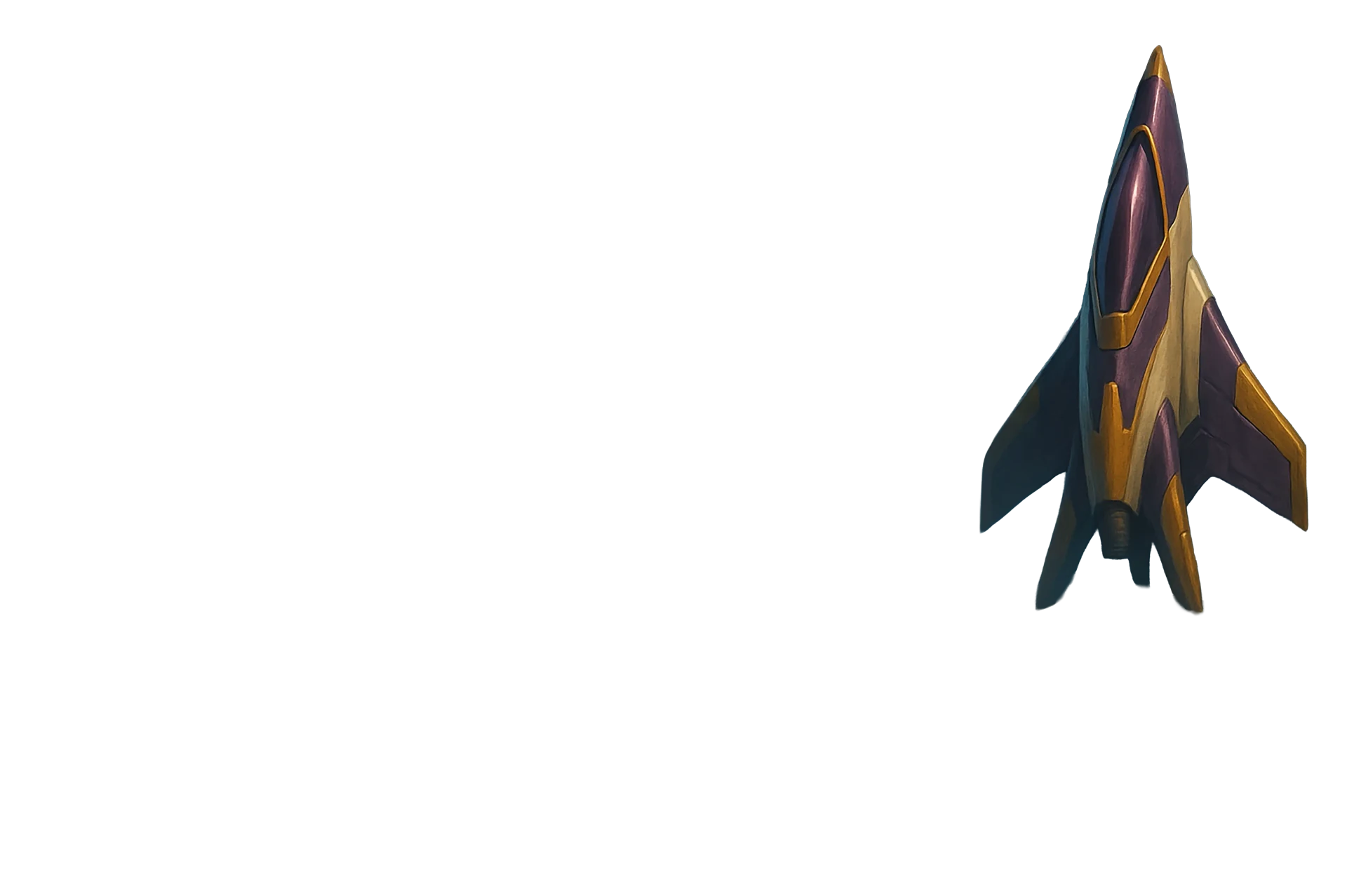
Build factories that wrap around planets. Launch cargo across orbital trajectories. Die, respawn, and watch your empire keep running without you. In Starlab, gravity pulls toward the center, rockets obey real physics, and every expansion into the void is earned through planning, piloting, and survival.
Something ancient stirs between worlds. Automate. Explore. Discover what drove humanity away.

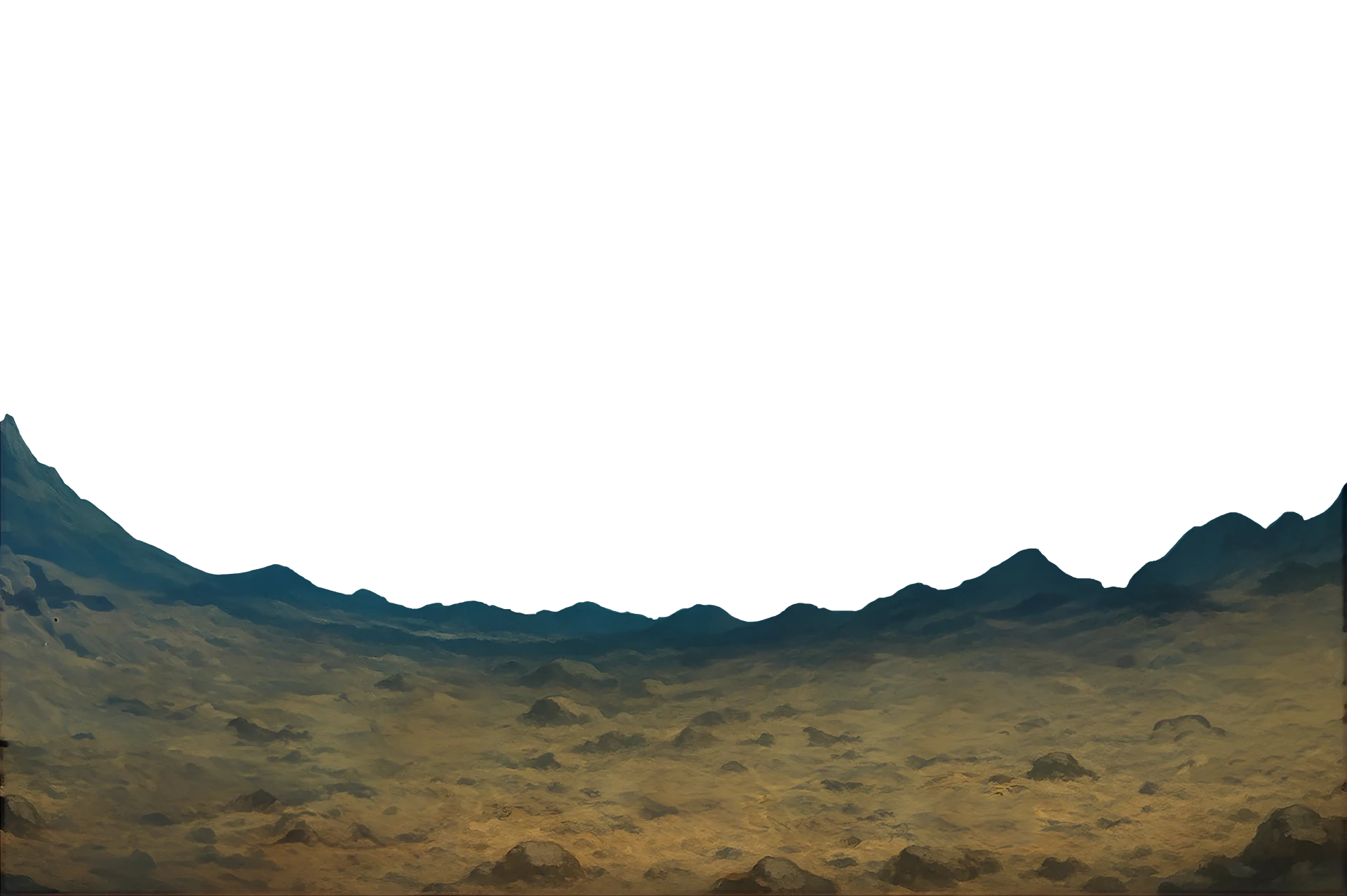
Walk across entire moons in a seamless 2D solar system where gravity pulls toward each planet's center. No loading screens between worlds. Discover caves, ruins, and alien hives across diverse biomes.
Key Features:
- Seamless planetary transitions
- Real gravity simulation
- 10+ biomes (forests, deserts, caves, alien hives, ice plains)


Ready to Build Your Starlab?
Wishlist now to get notified when Early Access launches in 2026
Join our growing community of scientists
Latest News
Reentry Burns
I've made reentry burns look way better. Reentry burns now take in all the details of your reentry, generate meshes and apply shaders to create a beautiful fiery streaky reentry burn…
Structure Work
Player built structures. This was a ton of work. Just getting enemy agents to manuever around them was hard. Getting structures to combine, break apart, and rejoin was another challenge.
Enemy Behaviors
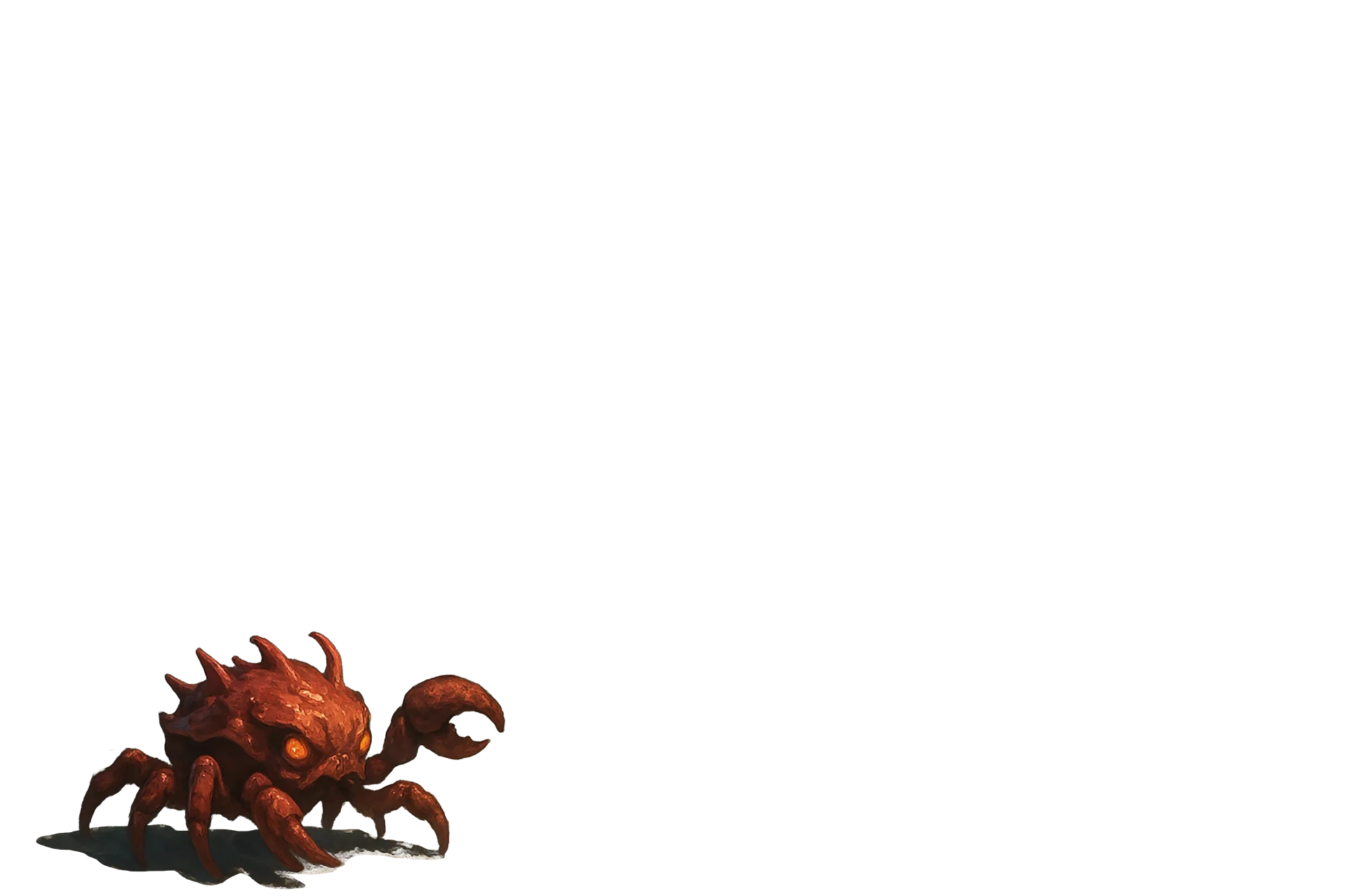
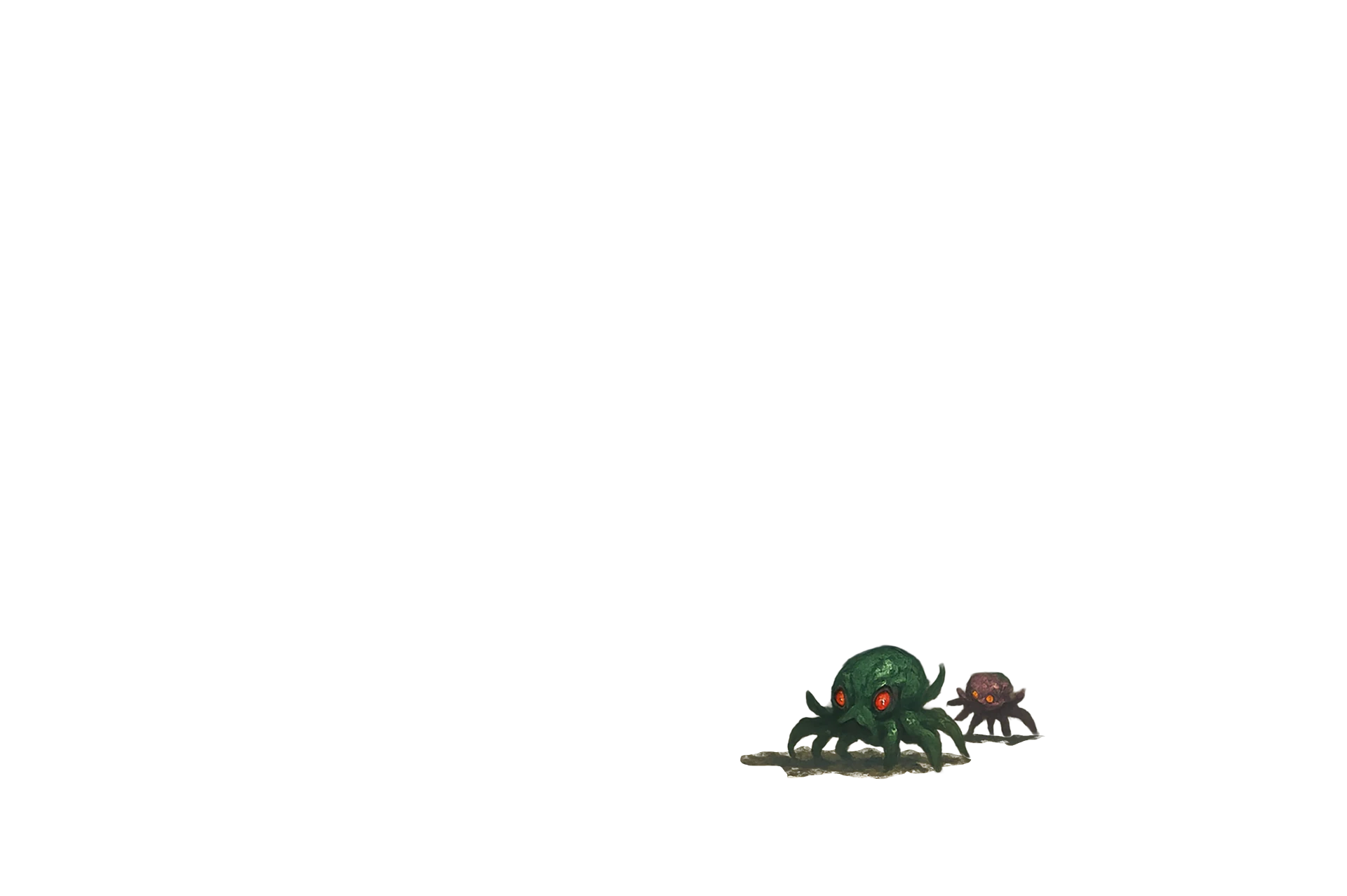
Up until now enemies ran on a simple state machine. Wander around, find a target, attack. I wanted to give them more to work with.
World Generation
World generation has had an overhaul. I wanted to improve tooling and workflow to let the developer design worlds rather than merely resorting to a procedural approach.
NPC Navigation - A* Pathfinding
Navigating creatures around Starlab's complex 2D platformer worlds posed significant design and technical challenges. My initial rough draft for enemies used simple local sensors to move…
